

- Offers
- Our venues
- About us
- Things to do in Nottingham
- Blog
- Meetings & Events
- Celebrations
- Stay
- Offers
- Eat & Drink
- Christmas & NYE 2026
- Our venues
- About us
- Things to do in Nottingham
- Blog

There’s a reason off-site meetings remain a cornerstone of effective team development. Stepping away from the daily office environment removes distractions, signals that the work at hand is important, and creates space for the kind of focused, strategic thinking that rarely happens between back-to-back calls and overflowing inboxes.
But here’s the truth: an off-site meeting can just as easily become an expensive waste of time as a transformative experience. The difference lies not in booking the fanciest venue or catering the most elaborate lunch, but in how thoughtfully you plan, facilitate, and follow through.
Whether you’re organising a strategy session, a team-building day, or a cross-departmental workshop, these ten best practices will help you get genuine value from your next off-site meeting. And if you’re looking for meeting room hire in Nottingham, we’ve got flexible spaces designed to support exactly this kind of work.
1. Keep groups small and purposeful
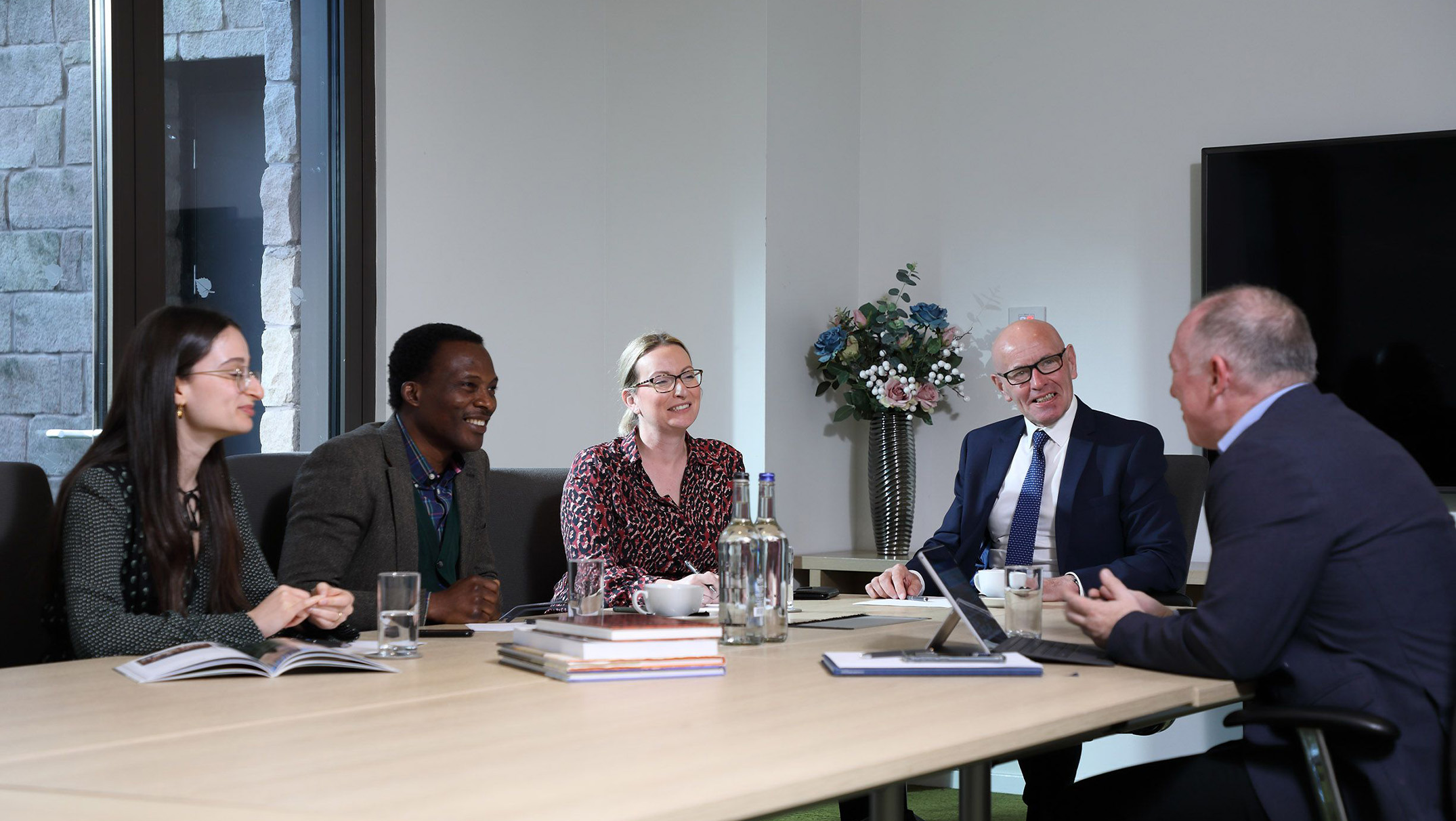
It’s tempting to invite everyone who might benefit from the discussion, but larger groups make meaningful participation difficult. The ideal working group for most off-site meetings sits between five and ten people. With fewer than five, you may lack the diversity of thought that makes these sessions worthwhile. Expand past ten, and it becomes challenging to have an inclusive conversation where everyone contributes.
When selecting attendees, consider factors like experience level, job role, and expertise relevant to the meeting’s objectives. If you need input from a larger team, consider holding separate sessions or using breakout groups during the day. The goal is engagement from everyone in the room, not a passive audience watching a few people talk.
2. Be clear on why you’re meeting
Before booking a venue or drafting an agenda, get crystal clear on the meeting’s purpose. What specific outcomes do you need by the end of the day? What decisions must be made? What would make this time worthwhile for every participant?
An off-site meeting without clear objectives tends to drift into unfocused conversation that could have happened over email. Define success before you begin, communicate it to attendees in advance, and use it as your compass throughout the day. When discussions veer off course, you can gently redirect by asking: “Does this help us achieve what we came here to accomplish?”

3. Choose the right Nottingham venue
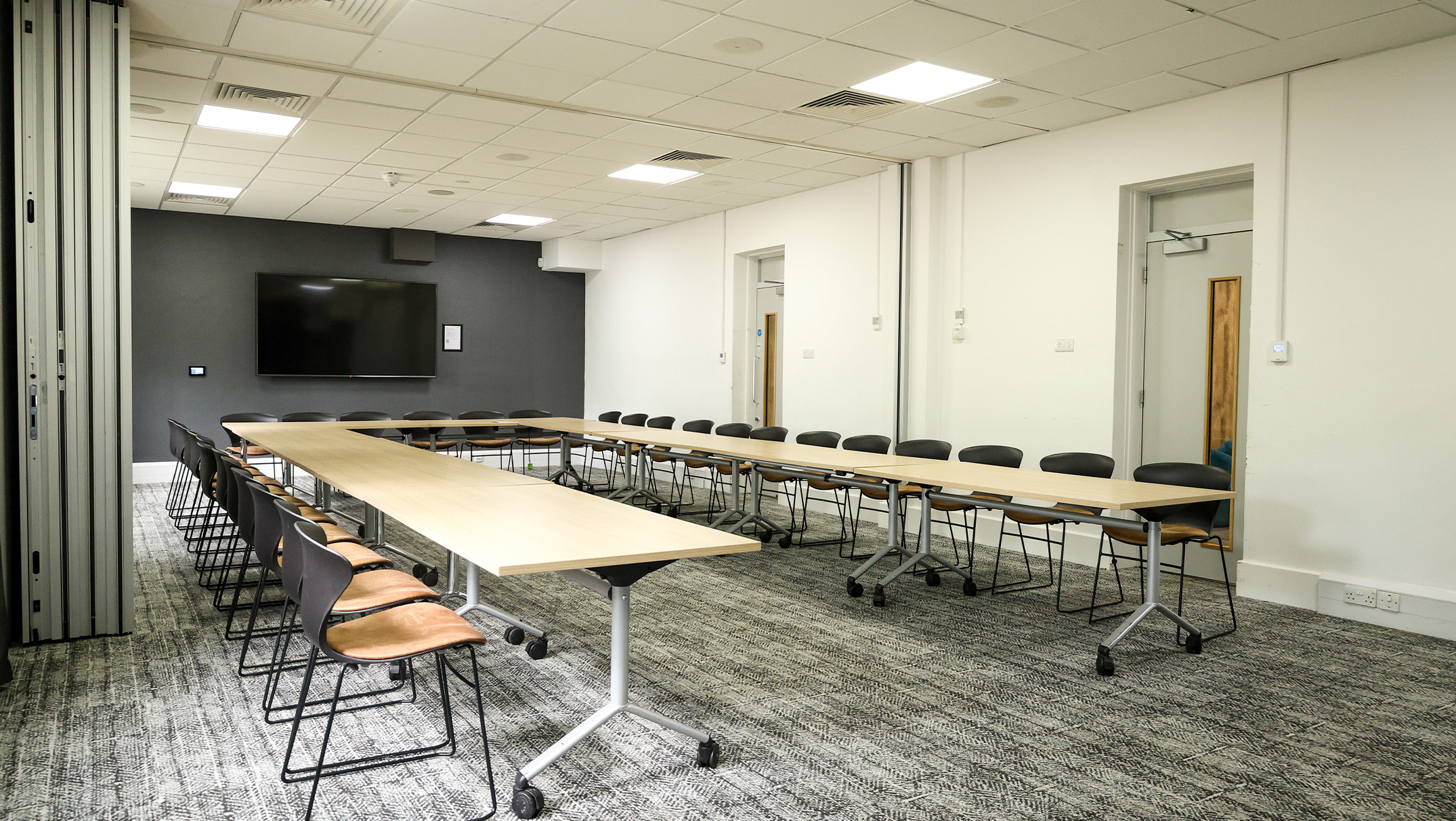
The right venue does more than provide four walls and a projector; it sets the tone, removes distractions, and practically supports the work you need to do. When considering meeting room hire in Nottingham, look for spaces that offer flexible layouts to accommodate both full-group sessions and smaller breakout discussions. Reliable AV equipment and presentation technology should be standard, not an afterthought.
A comfortable, distraction-free environment matters more than impressive décor. Natural light, good ventilation, and comfortable seating will help your team stay focused throughout the day. Consider practical details too: accessible catering options, breakout areas for informal conversations, and somewhere pleasant to step outside during breaks. The venue should work in service of your objectives, not create additional logistical headaches.
4. Establish a refreshed ‘social contract’
Every team has unspoken norms about how meetings run. An off-site meeting is an opportunity to consciously reset these expectations. Before diving into the agenda, take time as a group to agree on how you’ll work together during the day.
This might include ground rules like keeping laptops closed during discussions, phones on silent, or contributions kept concise to allow space for everyone. You might agree to frame opinions as questions when possible, or to actively invite quieter voices into the conversation. Whatever you decide, having explicit agreement upfront makes it easier to hold each other accountable without it feeling personal.
As a facilitator, clarify your role too. Remind the group that you’ll be keeping discussions on track, asking challenging questions, and occasionally redirecting or pausing conversations. Establishing this as part of the social contract gives you permission to manage the room effectively.
5. Design sessions around outcomes, not updates
The real value of an off-site meeting is getting people to exchange ideas in real time and the creative thinking that results. Avoid wasting this precious time consuming information as a group. Hour-long presentations and document reviews don’t belong in your off-site agenda; that sort of thing should be pre-meeting homework.
Each session should be designed to solve a problem, make a decision, or generate actionable insights. Frame agenda items as questions to be answered rather than topics to be discussed. Instead of ‘Q2 Marketing Strategy’, try ‘What three priorities will drive our Q2 growth?’ This subtle shift keeps the focus on outcomes rather than information sharing.
6. Encourage engagement at every stage
Engagement shouldn’t start when people walk through the door. Before the off-site meeting, check in individually with each participant to understand what they hope to get from the day. Review the agenda with them and look for ways they might contribute or lead specific sessions. This early involvement helps people arrive prepared and invested.
During the meeting, vary your formats to maintain energy and accommodate different thinking styles. Not everyone processes ideas best through verbal discussion; some people reflect more deeply and return with stronger insights. Build in time for individual thinking before group conversation, use written exercises alongside verbal ones, and create opportunities for people to contribute in different ways throughout the day.
7. Use tools to keep discussions focused
Even well-planned off-site meetings can drift into tangents or get stuck on topics that don’t serve the day’s objectives. Having practical tools ready helps you manage this without derailing productive energy.
A ‘parking lot’ is invaluable: a visible space (flip chart, whiteboard section, or shared document) where you capture important but off-topic ideas for later discussion. The simple act of writing something down reassures passionate contributors that their point won’t be lost, while allowing you to redirect focus. For decision-making, frameworks like DACI (Driver, Approver, Contributors, Informed) help clarify roles and move discussions toward resolution rather than endless debate.
8. Pay attention to group dynamics
Every group has its dominant voices and quieter contributors, its harmonisers and its challengers. Thoughtful facilitation works with these dynamics rather than ignoring them.
Gently draw quieter participants into conversations by inviting their perspective directly. If dominant voices are crowding out others, create structures that level the playing field: written contributions before verbal discussion, round-robin sharing, or small group work that gets reported back. Pay attention to senior people in the room; when a manager always speaks first, it can inadvertently shut down alternative viewpoints. Encourage leaders to ask questions rather than stake positions early in discussions.
9. Make it enjoyable, but purpose-led
There’s nothing wrong with building enjoyable elements into your off-site meeting. Energising activities, a good lunch, or a change of scenery can maintain focus and build team connection. But fun shouldn’t be the point.
The most effective off-sites maintain a clear sense of purpose while making space for lighter moments. Use energisers strategically to lift the room’s energy after intense sessions. Build in proper breaks rather than running a relentless agenda. Allow for informal conversation over coffee or lunch. These moments often produce valuable side conversations and relationship-building, but they should complement the work, not replace it.
10. End strong and follow through
How you close an off-site meeting shapes whether its value persists beyond the day. Reserve time at the end to summarise key decisions, capture commitments, and assign clear ownership and deadlines for follow-up actions. Every participant should leave knowing exactly what happens next and who’s responsible for making it happen.
Within a few days, send a summary document reinforcing decisions made and actions agreed. Schedule check-ins to review progress against commitments. Without deliberate follow-through, even the most productive off-site discussions fade into good intentions that never materialise. The facilitator’s role doesn’t end when the meeting does; keeping momentum going is what transforms a good day into lasting impact.
Make your next off-site meeting count
Productive off-site meetings don’t happen by accident. They’re the result of clear purpose, thoughtful preparation, skilled facilitation, and committed follow-through. Get these elements right, and you’ll find that stepping away from the office genuinely accelerates decision-making, strengthens team alignment, and generates ideas that wouldn’t emerge in the normal flow of work.
If you’re planning an off-site meeting in Nottingham and looking for a venue that supports focused, productive work, our flexible meeting rooms are designed for exactly this purpose. With versatile spaces, reliable technology, quality catering, and a distraction-free environment, Nottingham Venues provides the foundation for meetings that actually deliver. Get in touch to discuss your requirements and find the right space for your team, or book a meeting space at The Jubilee Hotel directly via our instant booking engine. To book spaces at The Orchard Hotel or EMCC, please get in touch with our central team directly.
FAQs
Q. What is the ideal group size for an off-site meeting?
A. For most productive off-sites, aim for 5–10 participants. Smaller groups encourage engagement and diverse thinking. Larger groups can work, but consider breaking them into smaller breakout groups for parts of the agenda.
Q. How do I choose the right attendees?
A. Invite only those directly relevant to the meeting’s objectives. Include key decision-makers, contributors with expertise, and occasionally someone from outside the team for a fresh perspective. Avoid inviting everyone ‘just in case’.
Q. How do I keep participants engaged before the off-site?
A. Check in individually to understand their goals for the meeting, review the agenda, and assign roles if needed. Share pre-reading or prompts to prime discussion. Early engagement helps participants feel invested and prepared.
Q. What should I look for in a Nottingham venue?
A. Choose a space that offers flexible room layouts for both large and small group discussions, reliable AV and presentation technology, a comfortable and distraction-free environment, catering options for meals and refreshments, and breakout areas for smaller sessions or reflection. Book The Jubilee Hotel now for a space that offers all of these amenities and more.
Q. How should I structure the off-site agenda?
A. Focus on outcomes, not updates. Each session should solve a problem, make a decision, or generate actionable insights. Include time for breakout groups, reflection, and energising breaks to maintain focus.
Q. What is a ‘social contract’ and why is it important?
A. A social contract is a set of agreed norms for how the group will work together during the off-site. Examples include leaving laptops closed, keeping contributions concise, or encouraging questions. It sets expectations and helps the facilitator manage discussions smoothly.
Q. How do I handle dominant or quiet personalities?
A. Invite quieter participants to contribute directly and gently limit dominant voices. Use iterative exercises and small-group discussions to create space for different communication styles. Encourage senior participants to frame opinions as questions to involve others.
Q. Should off-site meetings include fun activities?
A. Yes, but sparingly. Include energisers or light-hearted activities to maintain energy and focus, but don’t let them distract from the meeting’s objectives. Fun should complement the work, not replace it.
Q. How do I make sure decisions are followed up after the off-site?
A. Document actions clearly, assign owners, and set deadlines. Use tools like DACI (Driver, Approver, Contributors, Informed) to clarify roles for decisions. Send a summary email post-event to reinforce accountability.
Q. How long should an off-site meeting last?
A. Efficiency matters. Many off-sites work well in half-day or full-day formats, with regular breaks. Avoid packing too many topics into a single session. Balance depth with energy to keep participants engaged.
Q. Can off-sites really improve team productivity?
A. Absolutely. The key is preparation, facilitation, and environment. When participants understand why they’re there, are actively engaged, and have the right space and tools, off-sites can accelerate decision-making, spark creativity, and strengthen team alignment.
